Porto in Winter: A Complete Guide to Wine Tours, Port Lodges, and Cozy Experiences (Nov-Feb)
I've Been to Porto in Every Season, Here's the Truth
I was on the Cais da Ribeira at 6 AM before the city woke up, and the fog was sitting on the Douro like a blanket. The only other person was an old man polishing the brass on a rabelo boat, the traditional port vessel. He told me he'd been doing this same job since 1972. 'Every morning the river looks different,' he said. 'And every morning I find something new to love about it.' That's the Porto nobody sees.
That morning was in late November, and I'd just finished leading a private tour for a couple from Melbourne who'd booked the entire trip around winter. 'Everyone told us we were crazy,' the wife said, pulling her wool scarf tighter. 'They said Porto in winter is just rain and closed cellars.' She was wrong. The cellars were open, the crowds were gone, and the rain, when it came, only made the city feel more like itself.
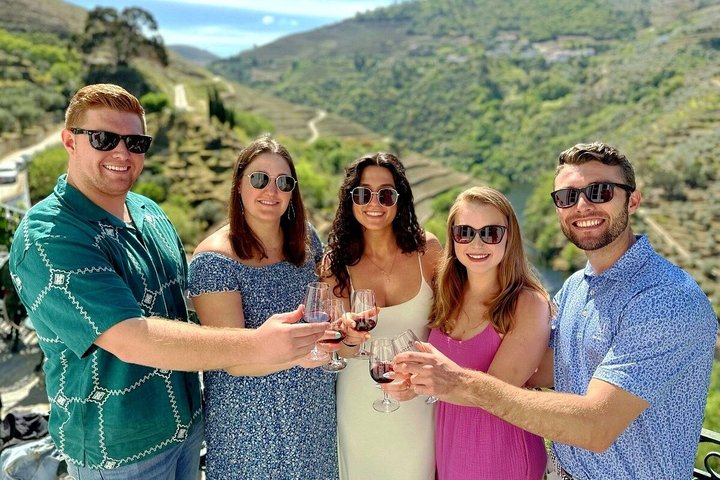
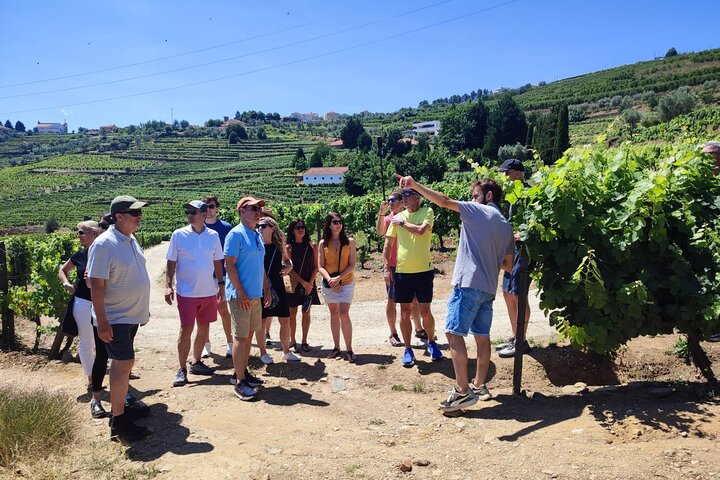
I've guided wine tours in Porto for fifteen years, through every season, every weather pattern, every tourist wave. And I can tell you this with complete honesty: winter is the ideal time for a wine-focused visit. The lodges are quieter, the guides have time to actually talk to you, and the prices for tours drop by 20-30% compared to summer. December is the rainiest month (~150mm), February is the coldest (avg 9°C) but driest winter month, plan accordingly.
That said, there are real trade-offs. Daylight is short (sunset around 5 PM in December), some restaurants close for Christmas week, and the Douro Valley wineries that are open for tours are harder to reach without a car. But if you're here for the wine, not the Instagram shots, winter is your season.
We earn a commission when you book through our links on Viator (PID P00303273), at no extra cost to you. This is how we keep the site free. Learn more →
I booked a Douro Valley wine tour with lunch from Porto for a client last February, and the guide spent an extra 45 minutes with us because there was no other group waiting. You don't get that in August.
The Month That Changed How I See Porto
Douro Valley Small-Group Wine Tour: 2 Wineries, Cruise & Lunch
This is the tour I recommend for first-timers, even in winter. The wineries are smaller, the lunch is at a family quinta, and the guide adapts the route based on weather. Con: the drive is longer in rain, and some viewpoints are fogged in. Pro: you'll have the guide's full attention.
Book on Viator →February is the coldest month in Porto, average 9°C, with occasional mornings that dip to 4°C. It's also the driest winter month, which means you can actually plan outdoor activities without constantly checking the radar. I took a group of photographers there last February, and we watched the sun break over the Douro Valley at exactly the moment the first grape truck passed, loaded with Touriga Nacional for the winter pruning. Someone actually cried.
The Douro Valley train ride on a rainy day in November is better than on a sunny day in August. The clouds sit low over the terraces, the river turns a deep green, and you have the carriage almost to yourself. I took it last winter with a book and a bottle of water, sat on the right-hand side (critical, that's the river side going east), and watched the scene unfold for two hours. Pinhão station covered in azulejos, mist pouring over the hills. No tourists, no timing stress. Just a perfect afternoon.
The train departs from São Bento station every 1-2 hours between 6 AM and 8 PM. The journey takes about two hours, and a one-way ticket costs €12-15. Buy it at the station or on the CP app. I've done this ride maybe twenty times, and winter is the only season where you can reliably get a window seat without booking ahead.
I had a couple book a private tour with me who said they 'hated port.' Fifteen years of guiding, and I'd never heard anyone say that outright. I asked why. 'Too sweet, too heavy, too much.' So I took them to Niepoort and asked Francisco to pour them a Dry White Port, something most tourists never try. Then an unfiltered LBV. Then a 30-year Tawny that tasted of dried figs and dark chocolate. The wife looked at her husband and said, 'I guess we don't hate port.' They left with a case. Best €400 I ever earned for a guide.
If you want that same experience without the private guide, I recommend the Porto wine tasting tour with a sommelier. It's small group, focused on the styles most tourists skip, Dry White, LBV, and aged Tawnies.
Photo Gallery
Porto Wine Tasting Experience with Portuguese Tapas Plate
This tour runs year-round, and winter is actually better. The sommelier has more time to explain the nuances, and the tasting room is never crowded. Con: some of the smaller producers featured in summer switch to their standard Ruby in winter. Pro: you'll taste things you'd never find on a standard lodge tour.
Book on Viator →Packing Lessons I Learned the Hard Way
I once got locked in the Taylor's cellars after a closing-time tour. I'd ducked into a side room to photograph a barrel marked 1935, the guide didn't notice and locked the main door. My phone had no signal underground. I spent 45 minutes walking through pitch-black tunnels smelling of old wood and angel's share before I found a service exit. Terrifying at the time. Now it's my favourite story to tell over a glass of their 20-year.
That story has nothing to do with packing, but it taught me something important: the cellars are cold year-round, but in winter they're genuinely chilly. The stone walls hold the temperature at about 15-18°C, and the humidity is high. You'll be walking between outdoor air (possibly 8°C and raining) and indoor cellars, then up heated tasting rooms. Layers are not optional.
Here's what I pack for a winter wine tour in Porto, and what I wish someone had told me fifteen years ago:
- Waterproof shoes with grip. The Gaia waterfront is cobblestone, and when it's wet, those stones are slick. I've watched three people fall in front of Graham's in one afternoon. Don't be number four.
- A packable rain jacket, not an umbrella. The wind off the Douro will turn any umbrella inside out within minutes. I learned this the hard way on a December tour with a group from Chicago.
- Dark colours for tastings. That deep red stain from a Vintage Port will not come out of a linen shirt. I've watched it happen to too many tourists. Wear dark tops to tastings, especially if you're doing a reserve tasting where they pour generously.
- A scarf that doubles as a napkin. You'll be eating Francesinha (the best is at Café Santiago on Rua de Passos Manuel, go at 2 PM to avoid the lunch queue) and drinking port. The combination is messy. A dark scarf hides both sauce and wine drips.
- Gloves that work with phone screens. You'll want to photograph the cellars, the fog over the Douro, the azulejos at Pinhão station. Cold fingers make bad photos. I use a pair of thin merino gloves that let me use my camera without removing them.
One more thing: don't bother with the 'wine tasting' at Taylor's self-guided audio tour, it's just 3 small pours in plastic cups. Upgrade to the reserve tasting (€45) for crystal glasses, an aged Colheita, and the guide's actual attention. I've done both, and the difference is night and day.
What I Wish I'd Known Before I Went
I discovered the hidden Fado bar on Rua de São João by accident. I was wandering after a late tasting, heard a voice through an open window, and followed the sound. It was a tiny room with blue tiles and a single guitarist. A woman in her 70s was singing, raw, unpolished, her voice cracking on the high notes. There were four of us in the audience. She sang about longing and the sea and a lover who never came back. When she finished, she poured herself a glass of red and joined us at the table. That night taught me that the best Fado in Porto doesn't have a sign or a cover charge. It finds you if you're listening.
But if you want to guarantee a seat, go to Casa da Mariquinhas on Rua de São Martinho, 51. Open Thursday to Saturday, 8 PM to midnight. €5 cover, €10 minimum. No reservations, arrive by 7:30 PM for a seat. The singers are locals, not performers. That's the difference.
Here's the practical stuff I wish someone had told me before my first winter in Porto:
- Book Graham's at 10 AM opening. You'll have the terrace to yourself before the crowds arrive, and the light over Porto is perfect for photos. The tour costs €25-55 depending on the tasting level. GPS: 41.1305° N, 8.6092° W, Rua do Agro, 168, Vila Nova de Gaia.
- The best value port tasting in Gaia isn't at a famous lodge. It's at the Portologia shop on Rua dos Canastreiros. €10 for 3 guided tastings with an expert who actually trained as a sommelier. I send every budget-conscious client there.
- Skip the Sandeman tour entirely. The most overpriced cellar tour in Porto is, without question, Sandeman. You're paying for the brand, not the wine. Instead, buy a €8 ticket for the nearby Sandeman museum, then spend your tasting budget at a smaller lodge like Cálem or Ramos Pinto. Ramos Pinto has an art deco interior and a quiet courtyard, it's everything a wine tour should be.
- Don't take the Gaia cable car round-trip. Buy a one-way up (€9) and walk down through the Jardim do Morro and the cellars. Better views and you'll stumble into tastings along the way. The cable car runs 10 AM-6 PM in winter.
- Christmas and New Year in Porto are atmospheric, but many restaurants close Dec 24-25 and Jan 1. Plan ahead. The Yeatman Gastronomic Sunday Brunch (€89 per person) runs on Sundays year-round and is worth the splurge, includes unlimited sparkling wine and live music. Reserve weeks ahead.
- The wine train (Comboio Histórico do Douro) runs June-October only. It departs from Régua (not São Bento), journey time 1 hour, return €40. Book at cp.pt, sells out weeks ahead. In winter, take the regular train instead.
- If you want to taste Vintage Port but don't want to spend €100 on a bottle, order it by the glass at Vinology (Rua do Comércio, Gaia). They have 20+ ports by the glass from €5. I've spent entire afternoons there working through their list.
- Mercado do Bolhão's basement has a wine shop (Adega do Bolhão) where you can taste before you buy. The owner, Sr. António, has been there 30 years and will open any bottle you're curious about. It's the kind of place tourists never find.
The worst tour I ever ran was for a group of eight Norwegian cruise passengers who'd been drinking since breakfast. By the time we reached Cálem, one man had fallen asleep in the barrel room, another was loudly arguing that Ruby port was 'basically cough syrup,' and someone had broken a tasting glass. I cut the tour short, walked them back to the cruise terminal, and sent the lodge a bottle of their finest Tawny as an apology. The guide at Cálem still jokes about it, he calls them 'the Vikings of the Douro.'
That story has a point: winter tours are better because the cruise ships don't dock. The crowds are gone. The guides have time. The wine tastes better when you're not sharing the room with fifty people. I've led tours in every month of the year, and I'll take a rainy February afternoon at Cálem over a sunny August morning every time. The fog on the river, the empty tasting room, the guide who actually remembers your name, that's the Porto you came for.
For more planning details, check out our Porto wine tour planning guide and best Douro Valley wine tours. If you're deciding between lodges, our port wine cellars comparison breaks down which tours are worth your money. And when you need a break from wine, our Porto food tours guide covers the best Francesinha spots and hidden tascas.
Douro Valley Tour: 2 Vineyard Visits, River Cruise, Winery Lunch
4110 verified reviews · 4.9★
4110 verified reviews, 4.9★ rating on Viator.
Book on Viator →Porto Wine Tasting Experience with Portuguese Tapas Plate
405 verified reviews · 4.9★
405 verified reviews, 4.9★ rating on Viator.
Book on Viator →Explore More
Related comparisons and guides:
Frequently Asked Questions
Do port lodges and wine tours still run in winter?
Yes, almost all major lodges in Vila Nova de Gaia run year-round. Graham's, Taylor's, Cálem, and Ramos Pinto are all open daily 10 AM-6 PM in winter. Some smaller quintas in the Douro Valley may close for December-January, but most offer winter tours with reduced pricing. The only tour that stops completely is the Comboio Histórico do Douro steam train (June-October only).
What should I wear for a port cellar tour in winter?
Layers are essential. The cellars maintain a constant 15-18°C with high humidity, while outdoor temperatures range from 4-14°C. Wear waterproof shoes with grip (cobblestones are slick when wet), a packable rain jacket (umbrellas are useless in the Douro wind), and dark colours for tastings, Vintage Port stains are permanent. Merino gloves that work with phone screens are a lifesaver for photography.
Is the Douro Valley worth visiting in winter?
Absolutely, but with caveats. The vineyards are dormant and brown, not green, but the winter fog over the terraces is impressive for photography. The train from São Bento to Pinhão (€12-15 one-way) is actually better in winter, you'll have the carriage almost to yourself. The downside is that many quintas are harder to reach without a car, and buses are unreliable. Book a private tour or hire a car for the best experience.
Which port lodges are open on Christmas and New Year?
Most lodges close on December 24-25 and January 1. Graham's and Taylor's typically reopen December 26 with reduced hours (10 AM-4 PM). Cálem and Ramos Pinto follow similar schedules. For guaranteed access, visit between December 27-30 or after January 2. Restaurants also close on these dates, plan your meals ahead and consider the Yeatman Sunday Brunch (€89) which runs on Sundays year-round.
Is it worth booking a guided wine tour in winter, or can I just show up?
In winter, you can walk into most Gaia lodges without a reservation on weekdays. But I still recommend booking a guided tour if you want the best experience. Winter guides have smaller groups and more time to talk, I've had 90-minute tours stretch to two hours because no one was waiting. For Douro Valley tours, booking is essential because many wineries require advance notice for tastings. Check our Douro Valley wine tours guide for specific recommendations.
What's the best way to experience Fado in Porto during winter?
Avoid the €50 dinner-show restaurants on Ribeira, they're tourist traps with mediocre food and performers who rush through songs. Instead, go to Casa da Mariquinhas on Rua de São Martinho (€5 cover, €10 minimum, open Thu-Sat 8 PM-midnight). Arrive by 7:30 PM for a seat. The singers are locals who perform for the love of it, not for a paycheck. In winter, the small room feels especially intimate with the rain outside.