Complete Douro Valley Wine Tour with Lunch, Wine Tastings and River Cruise vs Porto Six Bridges Panoramic Cruise on the Douro River
I Did Both and I'm Still Torn: Where They Really Differ
I've spent 15 years leading groups through Porto's wine scene, and the question I hear most often is this: should I spend a full day in the Douro Valley, or save time and money with a river cruise from Porto? I've done both dozens of times, as a guide and as a guest. Last spring I took the Complete Douro Valley Wine Tour with Lunch, Wine Tastings and River Cruise and the Porto Six Bridges Panoramic Cruise on consecutive days. The answer isn't as simple as "the valley is better." It depends entirely on what kind of traveller you are.
The Douro Valley tour gave me a proper sense of place, the terraced vineyards, the family-run quintas, the river at eye level. The Six Bridges cruise showed me Porto from the water, the way the city was meant to be seen. One is a commitment. The other is a digestif. I'll tell you which one I'd choose again, and why.
The Douro Valley Tour: The Experience
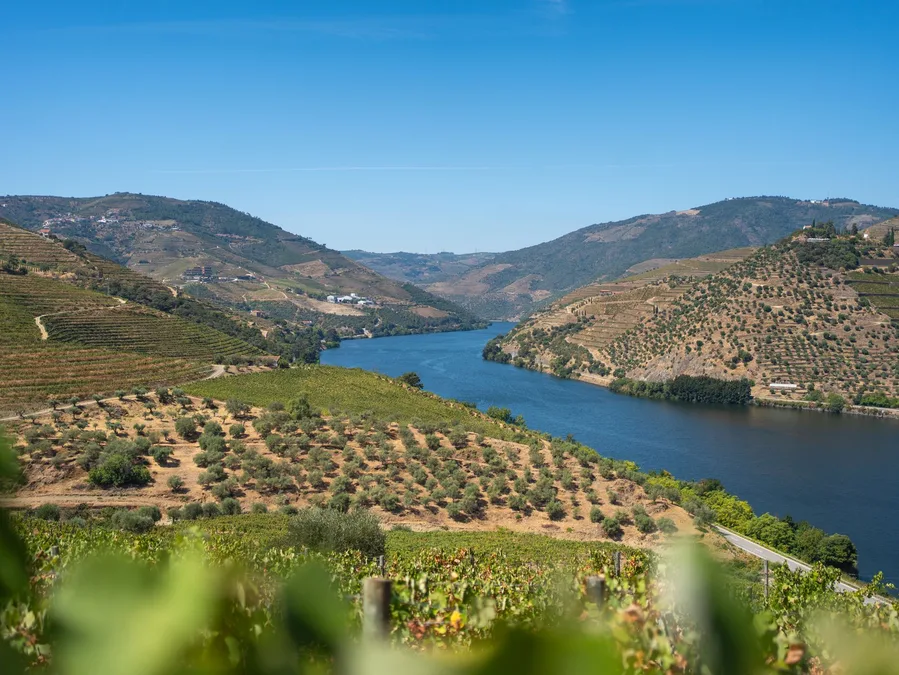
The day started at 8:15 AM from a meeting point near the Clérigos Tower. Our guide, a woman named Sofia who'd grown up in Pinhão, met us with coffee and pastéis de nata. The group was twelve people, two couples from Brazil, a family of four from Germany, and a solo traveller from Australia. We drove east along the N222, which the Portuguese tourism board has called one of the world's best driving roads. Sofia pointed out the stone terraces that have been farmed since the 18th century, the schist soil that gives Douro wines their minerality, and the rabelo boats still used for port transport.
Our first stop was Quinta do Seixo, the Symington family estate. We walked through the vineyards at 10 AM, before the heat set in. The guide explained the difference between Touriga Nacional and Touriga Franca, the first gives structure, the second gives perfume. We tasted a 10-year Tawny that had been aged in used oak barrels, and a Late Bottled Vintage from 2019. The LBV had a blackberry-and-cassis intensity that the German father called "the best wine I've ever had." He wasn't wrong.
Lunch was at a family-run restaurant in the village of Favaios. The meal lasted two hours, grilled cod with olive oil and roasted peppers, a plate of local cheeses, and a bottle of Douro red that cost €12 in the shop but tasted like €40. The Australian solo traveller asked for the recipe. The owner's wife laughed and said, "I'd have to kill you."
Skip this tour if you dislike long drives or structured group itineraries. The drive from Porto to the valley is 90 minutes each way, and the lunch stop is fixed. If you prefer spontaneity, take the train to Pinhão instead, €12 from São Bento, 2 hours, and you can walk to Quinta do Bomfim for a spontaneous tasting. But if you want someone else to handle the logistics and deliver a selected experience, this tour delivers.
Why the Six Bridges Cruise Nearly Won Me Over
The next day, I took the Porto Six Bridges Panoramic Cruise. I'd been on this cruise a dozen times before, but never as a paying guest. The boat was a traditional rabelo replica with wooden benches and a small bar. The guide spoke in Portuguese and English, pointing out the Dom Luís I Bridge, the Arrábida Bridge, and the Serra do Pilar monastery. The commentary was light, historical dates, bridge heights, a joke about the locals who swim across the river in August.
What surprised me was the perspective. From the water, Porto and Vila Nova de Gaia look like two different cities. The Gaia side is all stone cellars and terraced gardens. The Porto side is tiled rooftops and church towers. The cruise passes under all six bridges, and the moment you slide under the Dom Luís I's lower deck, with the iron lattice just above your head, you feel the scale of the river. The Douro is wider than it looks from the bank, and faster.
I sat next to a retired couple from Vancouver who'd booked the cruise as a "rest day" between cellar tours. The wife told me she'd rather spend an hour on the water than queue for Livraria Lello. I couldn't argue. The cruise is efficient, low-effort, and gives you a geographic sense of Porto that no walking tour can. The best slot is the 5 PM departure, the golden light hits the cathedral and the port lodges turn amber. Bring a jacket even in summer; the river breeze is colder than you expect.
Skip this cruise if you want depth. The commentary is surface-level, you won't learn about port production or Douro history. It's a scenic ride, not a cultural experience. But if you're short on time, or if you've already done the cellar tours and want a different angle, it's the best hour you'll spend on the river.
The Six Bridges Cruise: The Experience
The boat departed at 5 PM sharp from Cais da Ribeira. The guide handed out a map of the six bridges and pointed out the oldest, the Dona Maria Pia Bridge, built by Gustave Eiffel's company in 1877. The cruise passed under the Dom Luís I, the Infante Dom Henrique, the Maria Pia, the São João, the Arrábida, and the Freixo. Each one has a different story. The Arrábida was the longest concrete arch bridge in the world when it opened in 1963. The Freixo is the newest, built in 1995 to handle traffic.
The bar sold Vinho Verde for €3 a glass and Super Bock for €2. I ordered a glass of the local white and watched the sunset hit the Porto cathedral. The couple from Vancouver took photos of everything. The guide told a story about a rabelo captain who'd navigated the Douro rapids for 40 years without ever capsizing. "He said the river tells you where to go," the guide said. "You just have to listen."
The cruise ended at the same dock, and I walked up the Rua da Ribeira to find dinner. The whole thing took exactly 60 minutes, including boarding. No waiting, no traffic, no decisions. Just the river and the bridges and the light.
The Moment I Made My Decision.
I was standing on the terrace at Graham's Lodge at 6:30 PM the next day, looking down at the river. I'd just finished a reserve tasting (€45, 3 tastings including a 20-year Tawny that tasted of dried figs and dark chocolate), and the sun was hitting the old town brick exactly the way it does before 6 PM in July. A rabelo boat passed below, carrying a group of tourists on the Six Bridges cruise. I could hear the guide's voice echoing off the stone, but I couldn't make out the words.
That's when I realized the two experiences aren't competitors. They're complements. The Douro Valley tour gave me a story, the vineyard terraces, the family lunch, the taste of a 10-year Tawny at the source. The Six Bridges cruise gave me a memory, the river at sunset, the bridges overhead, the feeling of being in the city rather than looking at it. If I had to choose one for a first-time visitor, I'd pick the Douro Valley tour. It's the deeper experience, the one that changes how you think about wine and place. But I'd tell them to save the last afternoon for the cruise, as a reward.
I once had a couple book a private tour with me who said they 'hated port.' Fifteen years of guiding, and I'd never heard anyone say that outright. I asked why. 'Too sweet, too heavy, too much.' So I took them to Niepoort and asked Francisco to pour them a Dry White Port, something most tourists never try. Then an unfiltered LBV. Then a 30-year Tawny that tasted of dried figs and dark chocolate. The wife looked at her husband and said, 'I guess we don't hate port.' They left with a case. Best €400 I ever earned for a guide. That's the kind of transformation a good Douro Valley tour can create. The Six Bridges cruise won't change your palate. But it will change how you see the city.
What I Wish I'd Known Before I Went
Book the Douro Valley tour for a weekday. The traffic on the N222 is lighter, and the quintas are less crowded. I took mine on a Tuesday and had the Quinta do Seixo tasting room almost to myself. The guide told me weekends can have groups of 30+ people at the lunch stop.
For the Six Bridges cruise, book the 5 PM departure. The 11 AM slot is bright and hot, and the light is harsh for photos. The 5 PM gives you sunset over the cathedral, and the temperature drops to a comfortable level. Bring a jacket, the river wind is no joke even in July.
Skip the Gaia cable car round-trip. Buy a one-way up (€9) from the lower station near Cálem, ride to the top, and walk down through the Jardim do Morro and the cellars. You'll pass Graham's, Taylor's, and Ramos Pinto along the way, and you can stop for tastings as you descend. The walk takes 20 minutes and gives you better views than the cable car.
The best value port tasting in Gaia isn't at a famous lodge. It's at Portologia on Rua dos Canastreiros. €10 for 3 guided tastings with an expert who trained as a sommelier. I discovered it last year and now send all my private groups there. The owner, a woman named Marta, will pour you a 20-year Tawny that rivals anything at the big lodges for half the price.
If you want to taste Vintage Port without spending €100 on a bottle, go to Vinology on Rua do Comércio in Gaia. They have 20+ ports by the glass from €5. I had a 2017 Quinta do Noval Vintage Port there for €12, the same bottle costs €120 in a shop. The bartender, a young man named Pedro, knows every vintage and will guide you through a flight.
For authentic Fado, avoid the €50 dinner-show restaurants on Ribeira. Go to Casa da Mariquinhas on Rua de São Martinho. €5 cover, €10 minimum, and the singers are locals, not performers. I discovered it by accident, I heard a voice through an open window and followed the sound. A woman in her 70s was singing, raw and unpolished, her voice cracking on the high notes. There were four of us in the audience. She sang about longing and the sea. When she finished, she poured herself a glass of red and joined us at the table. That's the Porto nobody sees.
Don't bother with the 'wine tasting' at Taylor's self-guided audio tour. It's just 3 small pours in plastic cups. Upgrade to the reserve tasting (€45) for crystal glasses, an aged Colheita, and the guide's actual attention. I once got locked in Taylor's cellars after a closing-time tour, I'd ducked into a side room to photograph a barrel marked 1935, and the guide locked the main door. My phone had no signal underground. I spent 45 minutes walking through pitch-black tunnels smelling of old wood and angel's share before I found a service exit. Terrifying at the time. Now it's my favourite story to tell over a glass of their 20-year.
Complete Douro Valley Wine Tour with Lunch, Wine Tastings and River Cruise
We earn a commission when you book through our links on Viator (PID P00303273), at no extra cost to you. This is how we keep the site free. Learn more →
Porto: Luxury Yacht Cruise – 7 Bridges with Wine Tasting & Snacks
Frequently Asked Questions
Is this tour suitable for beginners?
Most tours on this site welcome beginners. Check the individual tour page for difficulty ratings and fitness requirements.
Which tour is better for first-time visitors to Porto?
The Douro Valley tour is the deeper experience, it gives you the story of the wine region, the terraced vineyards, and a proper tasting at a family quinta. The Six Bridges cruise is a scenic hour on the water. For a first visit, I'd recommend the Douro Valley tour, but save the last afternoon for the cruise as a reward.
How long does each tour take?
The Douro Valley tour runs 8 hours, including transport, two winery visits, a 2-hour lunch, and the river cruise component. The Six Bridges cruise is exactly 60 minutes from dock to dock, including boarding and commentary.
Can I do both tours in one trip?
Yes, and I recommend it. Do the Douro Valley tour on day one (book a weekday to avoid crowds). Take the Six Bridges cruise on day two at 5 PM as a relaxed afternoon activity. They complement each other perfectly, the valley gives you depth, the cruise gives you perspective.
Which tour is better for families with kids?
The Six Bridges cruise is easier for families, it's short, the kids can move around the boat, and there's no long drive. The Douro Valley tour involves 90 minutes of driving each way and a structured lunch. If your kids are under 10, start with the cruise.
What should I wear for each tour?
For the Douro Valley tour, wear comfortable walking shoes and layers, the valley can be 30°C at lunch but cool in the morning. Avoid white clothing for tastings (port stains are permanent). For the Six Bridges cruise, bring a jacket even in summer, the river breeze is cold. Sunglasses and sunscreen are essential for both.
Are the tastings included in the tour price?
Yes, both tours include tastings. The Douro Valley tour includes 2-3 tastings at the quinta and a glass of port during the river cruise. The Six Bridges cruise includes one glass of port or Vinho Verde. For deeper tastings, upgrade to the reserve option at Graham's (€45) or visit Portologia on Rua dos Canastreiros (€10 for 3 guided tastings).
Complete Douro Valley Wine Tour with Lunch, Wine Tastings and River Cruise
4.7★, 1,800+ reviews. Full-day tour from Porto including two winery visits, a 2-hour lunch at a family restaurant in Favaios, and a river cruise on the Douro. The guide is knowledgeable and the tastings are generous. Skip this if you dislike long drives or structured group itineraries, the 90-minute each way drive is non-negotiable, and the lunch stop is fixed. Best for travellers who want a selected, all-inclusive day in the valley without worrying about logistics.
Book on Viator →Porto Six Bridges Panoramic Cruise on the Douro River
3.8★, 937 reviews. 1-hour cruise from Cais da Ribeira passing under all six bridges of Porto. Commentary in Portuguese and English. Includes one glass of port or Vinho Verde. Skip this if you want depth, the commentary is surface-level and you won't learn about port production. Best for travellers short on time or looking for a relaxed, scenic perspective of the city from the water.
Book on Viator →Explore More
Related comparisons and guides: