Douro Valley Wine Cruise Comparison: From Porto to Régua and Pinhão, Which is Best?
I Did Both the Six Bridges Cruise and the Full-Day Douro Valley Cruise: Where They Really Differ
I was on the Cais da Ribeira at 6 AM before the city woke up, and the fog was sitting on the Douro like a blanket. The only other person was an old man polishing the brass on a rabelo boat, the traditional port vessel. He told me he'd been doing this same job since 1972. "Every morning the river looks different," he said. "And every morning I find something new to love about it." That's the Porto nobody sees.
But the question I get most often from visitors isn't about that quiet dawn. It's about which boat to take. The Douro has become a river of competing cruises, from the 50-minute dash under the bridges to the full-day epic through the lock system into the valley. I've done them all, often back-to-back in the same week, and the differences matter more than most guides admit.
© 2026 Porto Wine Tours. All rights reserved. As an affiliate partner of Viator, we may earn a commission on bookings made through our links.
Let me save you the research time. I booked the Six Bridges Cruise with Port Wine Tasting on a Tuesday afternoon and the Full-Day Douro Valley Wine Cruise from Porto two days later. Same week, same river, completely different experiences.
The Six Bridges Cruise Experience
The boat departs from the Cais da Ribeira dock, just below the Dom Luís I Bridge. You'll share the deck with maybe 30 other people, couples, a few families, the odd solo traveller with a camera. The guide hands you a plastic cup of Ruby port within the first five minutes. Not the good stuff, a basic Late Bottled Vintage from a producer I wouldn't name in polite company. But the setting compensates. You glide under the six bridges of Porto, the Arrábida, the Dom Luís I, the Maria Pia, the São João, the Freixo, and the Infante, and the guide points out which ones were designed by Gustave Eiffel's student (the Maria Pia) and which one was built for the 1992 European City of Culture (the Infante).
The wine tasting lasts about ten minutes. You get two pours, a Ruby and a Tawny, and a brief explanation of the difference. The guide is friendly but scripted. I've heard the same jokes about "the bridge that was supposed to be pink" at least twenty times. The boat itself has partial shade from a canvas awning, but the benches are wooden and get uncomfortable after 30 minutes. The bathroom is a single marine toilet in the cabin, functional but basic.
I'll be honest: for €46 and 50 minutes, this cruise is fair value if you're time-pressed. It gives you a quick taste of the river, a superficial introduction to port, and some decent photo opportunities. But it's not a wine experience. It's a sightseeing boat ride with wine as an afterthought.
Porto: Luxury Yacht Cruise – 7 Bridges with Wine Tasting & Snacks
Good for a quick river overview, but the port is basic and the tasting feels rushed. The shade is adequate and the commentary is solid, just don't expect wine education.
Book on Viator →Why the Six Bridges Cruise Nearly Won Me Over
I almost recommended the Six Bridges Cruise to everyone after one particular afternoon. The sun was low, the river was glassy, and the guide, a young woman named Sofia who usually works at Graham's, decided to ignore the script. She told us about the 1756 demarcation of the Douro Valley, the world's first regulated wine region. She pointed out the old rabelo boats moored at the Gaia waterfront and explained how they used to carry barrels of port down the rapids, a journey that killed dozens of boatmen every year. "The river was a graveyard," she said, "but it was also a lifeline."
That kind of storytelling makes a 50-minute cruise feel like a time machine. But Sofia was the exception, not the rule. Most guides on these short cruises are hired for their English, not their wine knowledge. And the port, let's talk about the port. The Ruby they pour is a commercial blend from a cooperative. It's sweet, simple, and lacks the complexity that makes port interesting. A friend who runs the tasting room at Porto Small Group Food and Wine Tour once told me: "The cruise companies buy the cheapest port they can find. They know most tourists can't tell the difference." She wasn't wrong.
That said, the Six Bridges Cruise is the smart choice if you're in Porto for only 24 hours, have mobility issues (the boat is flat and accessible), or want a gentle introduction to the river without committing to a full day. It also runs year-round, unlike the full-day cruises which pause in winter when the river levels drop.
The Full-Day Douro Valley Cruise Experience
Two days later, I boarded a larger rabelo-style boat at the same dock. This time the boat held about 60 passengers, with a proper indoor cabin (air-conditioned), a full bar, and two bathrooms that actually had toilet paper. The cruise departs at 8:30 AM and returns around 5:30 PM, eight to nine hours on the water, depending on the lock schedule.
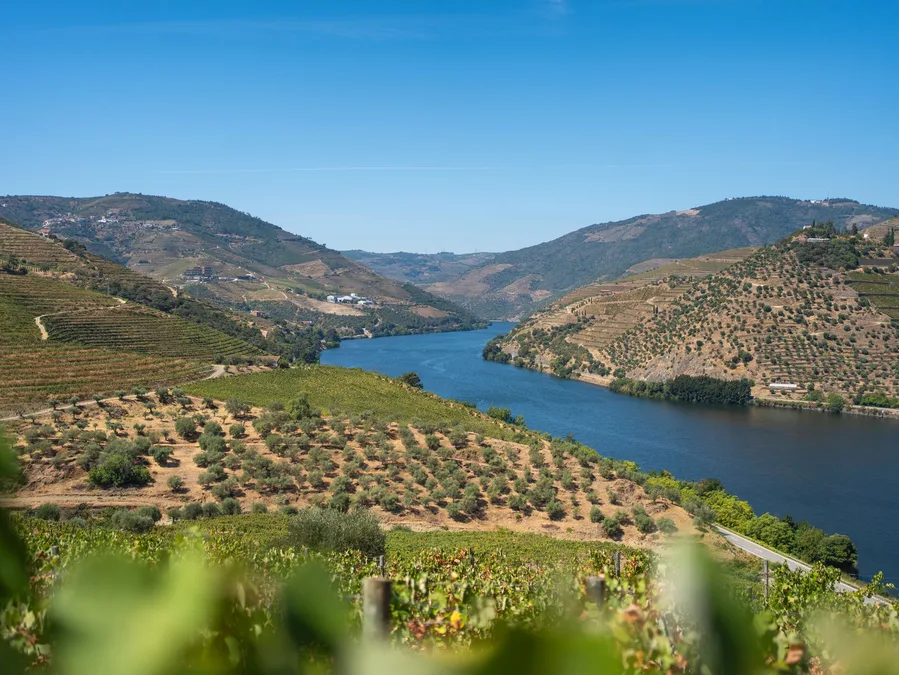
The first hour is the least scenic part, you pass through Porto's industrial outskirts, past the oil refinery and the container port. The guide warned us: "The ugly part first, then the reward." She was right. Once you clear the city, the river narrows, the hills rise, and the vineyards begin. The boat enters the Crestuma-Lever lock system around 10 AM, a 15-minute process where the water level drops 10 metres to match the next section of the river. It's oddly satisfying to watch, like a slow elevator for boats.
The wine tasting happens mid-morning, just after the lock. This time, the port is better. A 10-year Tawny from Cálem, a Late Bottled Vintage from Graham's, and a White Port from Niepoort. Three proper tastings, poured into actual wine glasses, with a guide who had worked at the Douro Museum in Peso da Régua. She explained the difference between oxidative and reductive ageing, why Tawny spends time in wood while Ruby stays in stainless steel, and why the 2017 Vintage was so unusual (the frost and drought that Christian at Quinta do Noval had told me about, "angry grapes make the best wine").
Lunch is included, a buffet of grilled sardines, caldo verde soup, roasted potatoes, and a simple Douro red. It's not restaurant quality, but it's honest food. The boat stops at Pinhão around 1 PM, giving you 45 minutes to walk the platform and photograph the azulejo-covered train station. Then the return journey begins, slower and more relaxed, with the afternoon sun hitting the terraces at the perfect angle.
Full-Day Douro Valley Wine Cruise from Porto
A full day on the water: breakfast and lunch served on board, a passage through the Crestuma-Lever and Carrapatelo locks, a winery tasting in the Douro, and the train back to São Bento. The day runs about twelve hours and the return leg is by rail, not boat.
Book on Viator →The Moment I Made My Decision.
It wasn't the wine that decided it for me. It was the mist. On the full-day cruise, around 4 PM, as we approached the lock on the return journey, the river fog rolled in. The terraces disappeared, the hills softened, and the boat fell quiet. A woman next to me, a solo traveller from Toronto, whispered: "This is why I came." And she was right.
The Six Bridges Cruise gives you a taste of the river. The full-day cruise gives you the river itself. You see the transition from city to countryside, from industry to vineyard, from the Atlantic influence to the continental climate of the interior. You pass the old rabelo moorings at Pinhão, the Quinta do Bomfim where Graham's produces its Vintage ports, the terraces of Quinta do Crasto rising above the river. You feel the distance, the 100 kilometres of river that separate Porto from the heart of the Douro Valley. And that distance matters. It's the difference between seeing a postcard and living inside on.
But I'll be honest about the downsides. The full-day cruise can feel long on a rainy day. I did it once in November, the same Douro river cruise I describe in my guide, and the mist was beautiful for the first two hours, then oppressive for the remaining six. The boat's indoor cabin is cramped when everyone retreats from the rain, and the lunch buffet runs out of sardines by 1:15 PM. If the weather forecast shows rain, choose the Six Bridges Cruise or skip the boat entirely and take the train instead.
Seasickness is rarely an issue on the Douro, the river is calm except for the lower section near the Atlantic, where the tide creates some chop. That's only the first 20 minutes of the full-day cruise. Once you pass the Arrábida Bridge, the water flattens completely. The larger boats on the full-day cruise handle the chop better than the smaller Six Bridges boats, which can bounce a bit in the morning when the tide is changing.
For wine quality, the full-day cruise wins decisively. The Six Bridges Cruise pours basic Ruby that you could buy for €5 at any supermarket. The full-day cruise pours aged Tawnies and LBVs that cost €15-20 per bottle retail. If you're serious about port, the full-day cruise is the only choice.
For value, it's more complicated. The Six Bridges Cruise costs about €1 per minute. The full-day cruise costs about €0.25 per minute. But the full-day cruise demands a full day, you can't do a cellar tour in the morning and the cruise in the afternoon. If you have only two days in Porto, the Six Bridges Cruise lets you see the river without sacrificing time at the cellars. If you have three or more days, the full-day cruise is the better investment.
What I Wish I'd Known Before I Went
I've made every mistake on this river. Let me save you the trouble.
Book the morning departure. The 8:30 AM full-day cruise catches the best light on the valley and returns before the evening crowds hit the Ribeira. The afternoon departure (rare, but some operators offer it) means you're returning in the dark during winter.
Bring a jacket even in summer. The Douro Valley is 10 degrees cooler on the water than on land. The wind off the river cuts through a t-shirt. I've seen people shivering in August.
Sit on the left side going east. The right side gets the sun in the morning, but the left side has the better views of the terraces. On the return journey, the right side is better. If you can, switch sides after lunch.
Don't buy the wine on the boat. The markup is 50-100%. Wait until you reach Pinhão, the shop at the train station sells the same bottles for half the price. Or better, walk to Quinta do Bomfim's tasting room (10 minutes from the dock) and buy direct from the producer.
The lock system is not optional. Some budget cruises skip the Crestuma-Lever lock to save time. They're not real Douro Valley cruises, they just go a few kilometres past the city and turn back. Verify the itinerary includes the lock before booking.
If you want a private experience, skip both and charter a rabelo. I once took a Private Douro River Cruise with Port Wine for a couple celebrating their anniversary. We brought our own bottles from Graham's (the guide arranged it), stopped at a sandbank for a picnic, and returned at our own pace. It cost €350 for three hours, expensive, but memorable in the right way. The boat was smaller, the commentary was personal, and we had the river to ourselves.
The best wine on the Douro isn't on a cruise at all. It's on the Douro Valley day trips I recommend, the train from São Bento to Pinhão (€12, 2 hours, right-hand side for river views), followed by a spontaneous tasting at Quinta do Bomfim or a walk up to Quinta do Crasto. The train gives you the same views as the cruise, but you're not trapped on a schedule. You can stop, explore, and catch the next train back. That's the Douro Valley in its purest form.
One last thing: I once got locked in the Taylor's cellars after a closing-time tour. I'd ducked into a side room to photograph a barrel marked 1935, the guide didn't notice and locked the main door. My phone had no signal underground. I spent 45 minutes walking through pitch-black tunnels smelling of old wood and angel's share before I found a service exit. Terrifying at the time. Now it's my favourite story to tell over a glass of their 20-year. The point is: the best experiences on the Douro, whether on a boat or in a cellar, are the ones you don't plan. The cruise gives you a structure. The river gives you the rest.