Port Wine Styles Explained: Ruby, Tawny, LBV, and Vintage, What's the Difference?
I Remember My First Wine Tasting Experience, Here's What I Wish I'd Known
I was standing on the Cais da Ribeira at 6 AM before the city woke up, and the fog was sitting on the Douro like a blanket. The only other person was an old man polishing the brass on a rabelo boat, the traditional port vessel. He told me he'd been doing this same job since 1972. 'Every morning the river looks different,' he said. 'And every morning I find something new to love about it.' That's the Porto nobody sees.
But my first actual port tasting? That was a disaster. I was 22, fresh out of hospitality school, and a sommelier at The Yeatman poured me a flight of four ports, Ruby, Tawny, LBV, and a 1994 Vintage. I had no idea what I was drinking. The Ruby tasted like sweet grape juice. The Tawny smelled like my grandmother's walnut cabinet. The LBV was… somewhere in between. And the Vintage was so tannic I thought I'd bitten into a leather shoe. I nodded politely and said they were all 'lovely.' The sommelier knew I was lying.
We earn a commission when you book through our links on Viator (PID P00303273), at no extra cost to you. This is how we keep the site free. Learn more →
Fifteen years later, I've taught this exact breakdown to hundreds of visitors at The Yeatman and on my private tours. And I've learned that the confusion is normal. Port Wine Cellars Tour with Tastings and Fado isn't one thing, it's five distinct styles, each with its own personality, aging process, and best moment to drink. Here's the simple version I wish someone had handed me before that first tasting.
Ruby Port, The Coca-Cola of Port
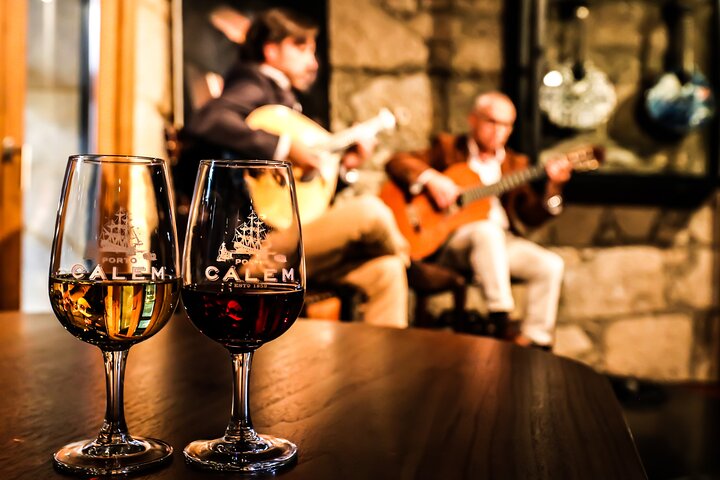
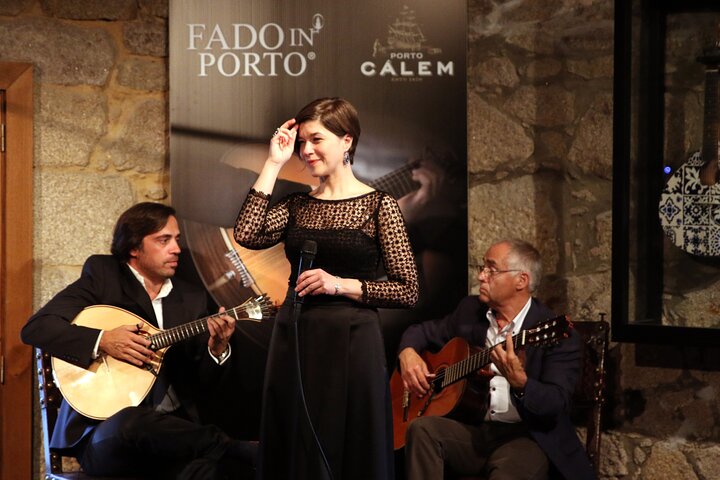
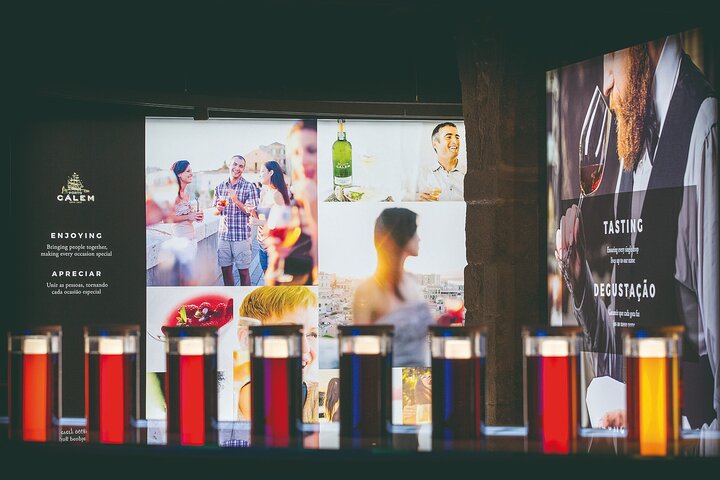
Ruby is the youngest style, aged 1-3 years in stainless steel or concrete tanks. No wood influence. Just pure, fruit-forward grape flavor, blackberry, cherry, cassis. It's the most accessible and affordable style, usually €10-20 a bottle. Think of it as the Coca-Cola of port: fizzy, fun, young. You drink it chilled, with chocolate desserts, or just on a warm evening on the Ribeira. The best place to try a good Ruby in Porto is at Cálem Cellars (Avenida Diogo Leite, 344, Gaia), their standard Ruby is perfectly balanced, not too sweet. Tour is €20 and includes a 30-minute Fado performance. Just don't expect complexity. Ruby is for fun, not for thinking.
Tawny Port, The Single Malt of Port
Tawny is aged in small oak barrels for 10, 20, 30, or even 40+ years. The wood contact oxidizes the wine, turning it from deep ruby to amber-brown, and develops flavors of dried figs, walnuts, caramel, and orange peel. The 10-year Tawny is the sweet spot for value, enough age for complexity, but not so expensive that you feel guilty drinking it. I tell people Tawny is the single malt of port: you sip it slowly, in a proper glass, maybe with a cheese plate. The best Tawny I've ever had in Porto is the 20-year at Graham's Lodge (Rua do Agro, 168, Gaia). Book the 10 AM tour (€25), you'll have the terrace to yourself before the crowds arrive, and the light over Porto is perfect for photos. The 20-year Tawny there has a dried-fruit-and-almond finish that lingers like a good story.
LBV (Late Bottled Vintage), The Best Value in Port
LBV is a single-vintage port aged 4-6 years in cask, then bottled and released ready to drink. It's the perfect mix of Vintage complexity and Ruby price, usually €20-35. It has the structure and depth of a Vintage, but you don't need to cellar it for 15 years. You can open it tonight. The unfiltered LBVs are the best, they still have some sediment, so decant them, but the flavor is remarkable. Try the 2017 LBV at Ramos Pinto (Rua de Serpa Pinto, 538, Gaia), their art deco interior is a lesser-known spot, and the tour is only €18 for three tastings. It's quieter than Sandeman, and you won't feel rushed.
Vintage Port, The King, But Not for Everyone
Vintage Port is only declared in exceptional years, about three times per decade on average. It's aged 2-3 years in cask, then bottled and requires 15-50+ years of bottle aging to reach its peak. A bottle of good Vintage Port costs €80-500+. It's powerful, tannic, and complex, black fruits, dark chocolate, spice. But nobody tells you: most people don't actually enjoy young Vintage Port. It's like drinking a Bordeaux that hasn't finished aging. The magic happens after decades in the bottle. If you want to taste Vintage Port without spending €100 on a bottle, go to Vinology (Rua do Comércio, Gaia), they have 20+ ports by the glass from €5. Order the 2017 Quinta do Noval. It's still young, but you can taste the potential. Or book the reserve tasting at Taylor's Lodge (Rua de Chá, 65, Gaia), €45 for crystal glasses, an aged Colheita, and the guide's actual attention. Skip the self-guided audio tour (€27, plastic cups).
White Port, The Surprise Hit
White Port is made from white grapes (Malvasia Fina, Gouveio, etc.) and can be aged or young. The young versions are crisp and floral; the aged ones develop nutty, honeyed notes. But the real star is the Porto Tonico, the Portuguese answer to the Aperol Spritz. Mix white port with tonic water, a slice of lemon, and lots of ice. It's less sweet, more herbal, and dangerously drinkable. Every bar on the Ribeira serves it, but the best is at the terrace of The Yeatman (Rua do Choupelo, 345, Gaia), €12, with a view that makes you forget you're drinking a cocktail.
Finding Your Feet: Where to Start in Porto
If you're overwhelmed by the options, start at the WOW Porto (World of Wine, Rua do Choupelo, 39, Gaia). They have a wine school that offers 45-minute crash courses in port tasting for €25. You'll taste four styles side by side, Ruby, Tawny, LBV, and a 10-year Tawny, and leave with a cheat sheet. It's the perfect primer before you hit the cellars. Open daily 10 AM-7 PM, combo pass for all 7 museums is €46.
But my real secret? The best value port tasting in Gaia isn't at a famous lodge. It's at Portologia on Rua dos Canastreiros, 45. €10 for three guided tastings with an expert who actually trained as a sommelier. The owner, a woman named Sofia, will ask what you like, sweet, dry, fruity, nutty, and pour you a flight that matches. No script, no rush. Just honest conversation over a glass of 10-year Tawny. I send every first-time visitor there.
The Easiest Way In
Photo Gallery
Port Wine Tour | 3 Cellars | 7 Tastings | 12 Participants Maximum
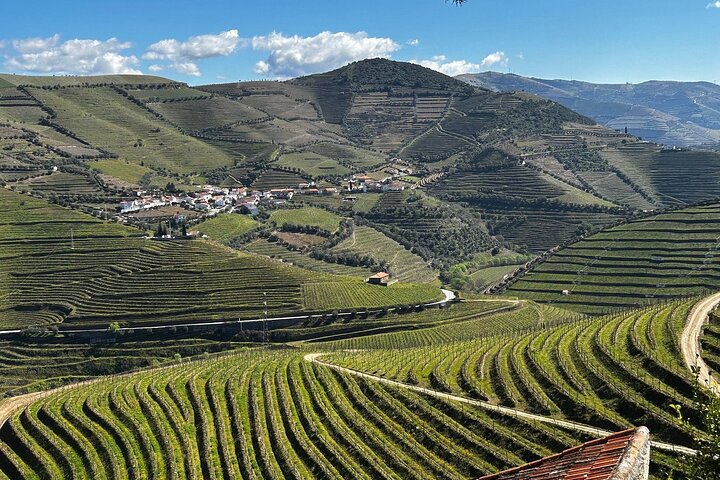
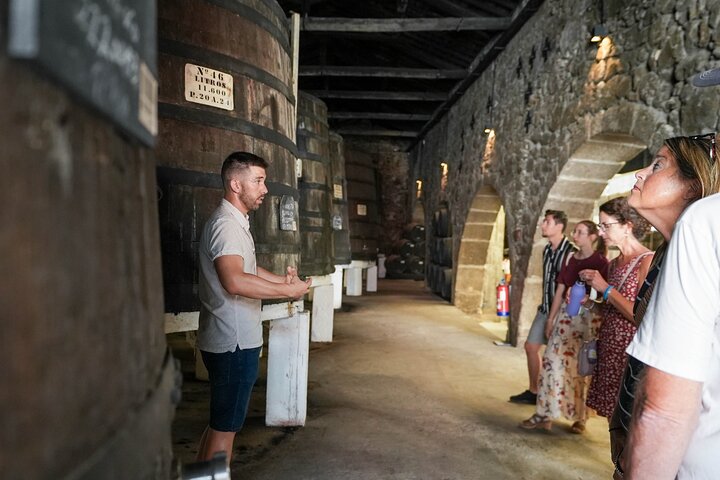
My top recommendation for first-time visitors, three historic port lodges, seven generous tastings, and a maximum of 12 people so you're not fighting for the guide's attention. You'll visit Cálem, Burmester, and one rotating lodge. The pours are proper (not the thimble-sized samples at tourist traps), and the guide explains the difference between ruby, tawny, LBV, and vintage with actual enthusiasm. Con: no Fado included, pair this with an evening Fado show for the full Porto experience.
Before Your First Wine Tasting Trip
I once got locked in the Taylor's cellars after a closing-time tour. I'd ducked into a side room to photograph a barrel marked 1935, the guide didn't notice and locked the main door. My phone had no signal underground. I spent 45 minutes walking through pitch-black tunnels smelling of old wood and angel's share before I found a service exit. Terrifying at the time. Now it's my favourite story to tell over a glass of their 20-year.
But here's what I actually learned from that and hundreds of other tours: most people make the same mistakes, and they're easy to avoid.
- Don't book a Gaia cellar tour in the afternoon in July. The cellars aren't air-conditioned, and the crowds make the tastings feel like a conveyor belt. Book 10 AM or 5 PM. I took a group of Norwegian cruise passengers in July once, one man fell asleep in the barrel room, another argued that Ruby port was 'basically cough syrup,' and someone broke a tasting glass. I cut the tour short and sent the lodge a bottle of Tawny as an apology. The guide at Cálem still calls them 'the Vikings of the Douro.'
- Wear comfortable shoes. Graham's, Taylor's, and Offley are all up steep hills. I've watched tourists in heels try to walk from the Gaia cable car to Graham's, it's a 15-minute uphill walk that feels like an hour in August.
- Skip the overpriced 'wine tour' kiosks on the Ribeira. These are often just boat rides with a plastic cup of basic Ruby. Book through Viator or directly with the lodge. The €20 Fado tour at Cálem is genuine, you get a proper tasting and a 30-minute Fado performance in the barrel room.
- Don't take the Gaia cable car round-trip. Buy a one-way up (€9) and walk down through the Jardim do Morro and the cellars. Better views and you'll stumble into tastings along the way. The walk down takes about 20 minutes and passes Ramos Pinto, Cálem, and Sandeman.
- Don't wear white to a port tasting. That deep red stain from a Vintage Port will not come out of a linen shirt. I've watched it happen to too many tourists. Dark clothes, always.
- Don't spit port at a tasting. It's acceptable at wine tastings, but in Porto's culture, finishing your glass is a sign of respect. The pours are small for a reason. If you're doing multiple tastings, just pace yourself.
- Don't assume the Douro Valley is accessible by public transport for winery hopping. Buses are hourly and unreliable. The train only serves the riverbank; most quintas are up steep hillsides. Book a tour or hire a car. The best Douro Valley day trip isn't a group bus tour, take the train from São Bento to Pinhão (€12, 2h, sit on the right-hand side for river views), walk to Quinta do Bomfim for a spontaneous tasting, then catch the train back. It's the most authentic way.
- Don't order a Vintage Port in a casual restaurant. Very few restaurants serve it properly (decanted, at the right temperature). Stick to Tawny or Ruby. Save Vintage for a dedicated tasting at Vinology or the reserve tasting at Taylor's.
The worst tour I ever ran was for a group of eight Norwegian cruise passengers who'd been drinking since breakfast. By the time we reached Cálem, one man had fallen asleep in the barrel room, another was loudly arguing that Ruby port was 'basically cough syrup,' and someone had broken a tasting glass. I cut the tour short, walked them back to the cruise terminal, and sent the lodge a bottle of their finest Tawny as an apology. The guide at Cálem still jokes about it, he calls them 'the Vikings of the Douro.'
But the best tour I ever experienced wasn't one I was leading. I was a guest at Quinta do Noval in the Douro Superior, and the winemaker himself, a man named Christian, took us through the Nacional vineyard, the one ungrafted vine they still plant. He talked about the vineyard like it was his child. When we tasted the 2017 Vintage Port, he got emotional. 'This one nearly didn't happen,' he said. 'A frost in April, then a drought. The grapes were angry. And angry grapes make the best wine.' He wasn't wrong.
What I Wish I'd Known Before I Went
I discovered the hidden Fado bar on Rua de São João by accident. I was wandering after a late tasting, heard a voice through an open window, and followed the sound. It was a tiny room with blue tiles and a single guitarist. A woman in her 70s was singing, raw, unpolished, her voice cracking on the high notes. There were four of us in the audience. She sang about longing and the sea and a lover who never came back. When she finished, she poured herself a glass of red and joined us at the table. That night taught me that the best Fado in Porto doesn't have a sign or a cover charge. It finds you if you're listening.
Here's what I wish someone had told me before my first trip:
- The most overpriced cellar tour in Porto is Sandeman. I say this as someone who worked in the industry for a decade. You're paying for the brand, not the wine. The actual tasting experience at Graham's costs the same (€25) and is exponentially better. Which cellar do I secretly love that everyone overlooks? Ramos Pinto. The art deco interior, the quiet courtyard, the fact that they don't rush you through the tasting, it's everything a wine tour should be.
- Don't bother with the 'wine tasting' at Taylor's self-guided audio tour. It's just 3 small pours in plastic cups. Upgrade to the reserve tasting (€45) for crystal glasses, an aged Colheita, and the guide's actual attention.
- Mercado do Bolhão's basement has a wine shop (Adega do Bolhão) where you can taste before you buy. The owner, Sr. António, has been there 30 years and will open any bottle you're curious about. I bought a 20-year Tawny there for €35 that would cost €60 in a shop on the Ribeira.
- Best Francesinha in Porto: Café Santiago (Rua de Passos Manuel, 164). The secret is the beer-and-tomato sauce recipe they've used since 1959. Go at 2 PM to avoid the lunch queue. Pair it with a glass of Ruby port, the sweetness cuts through the meat and cheese perfectly.
- I had a couple book a private tour with me who said they 'hated port.' Fifteen years of guiding, and I'd never heard anyone say that outright. I asked why. 'Too sweet, too heavy, too much.' So I took them to Niepoort and asked Francisco to pour them a Dry White Port, something most tourists never try. Then an unfiltered LBV. Then a 30-year Tawny that tasted of dried figs and dark chocolate. The wife looked at her husband and said, 'I guess we don't hate port.' They left with a case. Best €400 I ever earned for a guide.
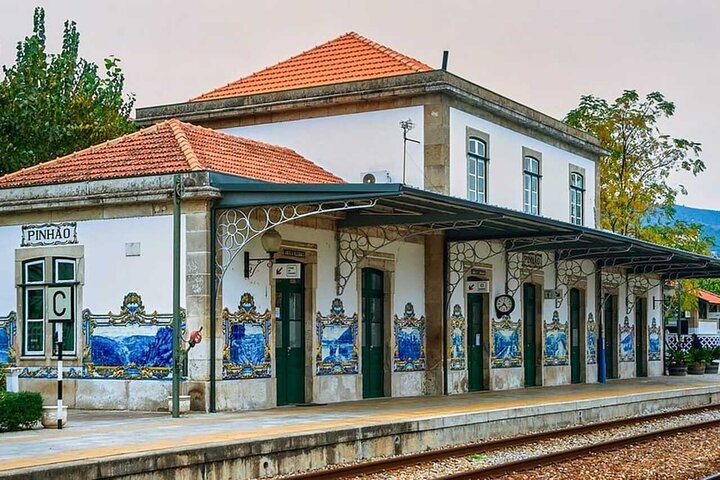
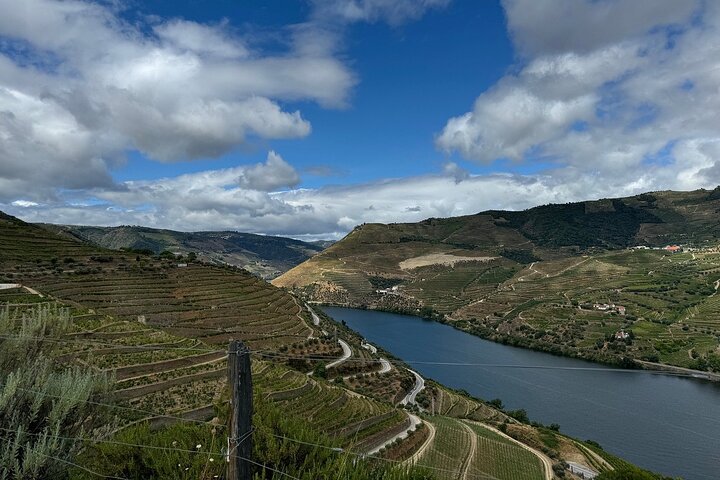
- The Douro Valley train ride on a rainy day in November is better than on a sunny day in August. The clouds sit low over the terraces, the river turns a deep green, and you have the carriage almost to yourself. I took it last winter with a book and a bottle of water, sat on the right-hand side (critical, that's the river side going east), and watched the scene unfold for two hours. Pinhão station covered in azulejos, mist pouring over the hills. No tourists, no timing stress. Just a perfect afternoon.
- I once took a group to Quinta do Crasto for a tasting and lunch. The lunch lasted four hours, grilled lamb, roasted chestnuts, several bottles of Douro red, and port from the estate's own cellar. The owner sat with us, telling stories about growing up on the quinta in the 1960s when there was no road access. Everything came by rabelo boat. 'We didn't know we were poor,' he said. 'We had the river, and we had wine. That was enough.' That's the Douro Valley in a sentence.
If you take one thing from this guide, let it be this: port is not a monolith. Ruby is for fun, Tawny is for sipping, LBV is for value, Vintage is for patience, and White Port is for surprise. Start at Portologia or WOW Porto, then work your way through the cellars. Book morning tastings, wear dark clothes, and don't be afraid to ask the guide to pour you something off-menu. The best port experiences in Porto aren't on the tour menu, they're in the back room, and you only get them if you know someone.
And if you're really lucky, you'll find yourself on a rainy November afternoon, on a train through the Douro Valley, with a glass of Tawny in your hand and no schedule to keep. That's the Porto moment people come looking for.
Frequently Asked Questions
What's the difference between Ruby and Tawny port?
Ruby is aged 1-3 years in stainless steel or concrete tanks, giving it a fruit-forward, young profile, think blackberry and cherry. Tawny is aged 10+ years in small oak barrels, which oxidizes the wine and creates nutty, caramel, and dried fruit flavors. Ruby is for fun, Tawny is for sipping.
Is LBV port the same as Vintage port?
No. LBV (Late Bottled Vintage) is a single-vintage port aged 4-6 years in cask and released ready to drink. Vintage Port is aged only 2-3 years in cask and then requires 15-50+ years of bottle aging. LBV is more affordable (€20-35) and ready now; Vintage (€80-500+) is for cellaring.
Which port style is best for beginners?
Start with a 10-year Tawny or an LBV. Tawny is smooth and approachable with nutty flavors, while LBV has the complexity of Vintage without the wait. Avoid young Vintage Port, it's too tannic for most beginners. Try a tasting at Portologia (Rua dos Canastreiros, 45) for €10, three guided tastings with an expert.
What is White Port and how do you drink it?
White Port is made from white grapes and can be young (crisp, floral) or aged (nutty, honeyed). The most popular way to drink it is as a Porto Tonico, mix with tonic water, lemon, and ice. It's less sweet than red port and perfect for warm evenings. Try it at The Yeatman terrace in Gaia.
How much does a good port tasting cost in Porto?
A basic tour with 3 tastings costs €18-25 at lodges like Ramos Pinto or Graham's. A reserve tasting with aged ports at Taylor's is €45. The best value is Portologia (€10 for 3 guided tastings) or WOW Porto's wine school crash course (€25 for 4 tastings). Avoid kiosk tours on the Ribeira, they're overpriced and low quality.
What's the best time of year to visit Porto for wine tasting?
Spring (April-June) is ideal, mild temperatures (18-25°C), green vineyards, and fewer crowds. Harvest season (September-October) is exciting for seeing grape treading at traditional Quintas, but tours can be limited. Avoid July-August afternoon tastings, cellars aren't air-conditioned and crowds are heavy. Book 10 AM or 5 PM slots year-round.